
Art time can be a wonderful opportunity for children to explore their imagination, experiment with different materials, and create something that reflects their individual ideas. However, children may lose interest when every activity feels like a structured lesson or when they are expected to create something a certain way.
Making art more engaging does not require complicated projects. Small changes to the environment, activities, and creative choices can make children more interested in participating and more comfortable expressing themselves.
Let Children Choose Their Materials
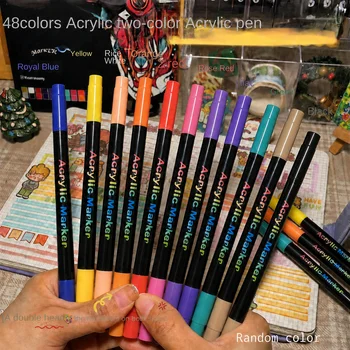
Giving children some control over what they use can make an art activity feel more exciting. Instead of providing only one material, offer a few options such as crayons, washable markers, colored pencils, paper, stickers, or paint.
Allowing children to choose their tools encourages them to make creative decisions from the beginning. One child may prefer drawing with markers, while another may enjoy creating colorful designs with paper and stickers.
The goal is not to provide every possible material at once. A manageable selection gives children variety without making the activity feel overwhelming.
Introduce a Creative Challenge
A simple challenge can give children an idea to work from without telling them exactly what their finished artwork should look like.
Ask questions such as, “Can you design a new animal?” or “What would your dream playground look like?” These prompts give children a starting point while leaving plenty of room for their own interpretations.
You can also introduce imaginative scenarios. For example, children could design a home for an imaginary character or create a picture of a place they would like to explore.
Open-ended challenges can make art feel more like an adventure than an assignment.
Create a Story Around the Artwork
Children often enjoy storytelling, so combining stories with art can make a creative session more interactive.
Start with a simple character, setting, or situation and let children illustrate what happens next. They might draw a character’s home, create a map of an imaginary world, or design objects that belong in their story.
The artwork does not need to perfectly match the story. The important part is allowing children to connect their imagination with what they create on paper.
Use Different Shapes and Textures
Introducing different textures can make an art activity more interesting. Children can explore smooth paper, textured craft materials, foam shapes, fabric pieces, or other age-appropriate materials.
They can arrange different textures into a picture, use them to decorate a drawing, or create a tactile collage.
This type of activity gives children another way to explore art beyond simply drawing or coloring. It can also encourage them to think about how different materials can change the appearance and feel of a project.
Turn Art Into a Group Activity
Art does not always have to be an individual activity. Creating something together can encourage children to share ideas and build on one another’s creativity.
For example, several children can work on different sections of a large paper mural. Each person can contribute characters, patterns, scenery, or other details.
Another option is to have everyone create a small piece around the same theme and then display the pieces together. This allows each child to produce something personal while still being part of a shared activity.
Keep Activities Appropriate for Their Age
Children have different abilities depending on their age and experience. A project that feels manageable for one child may be frustrating for another.
Younger children may enjoy simple coloring, stamping, finger painting, or arranging large shapes. Older children may be ready for more detailed drawing, painting, paper crafts, or design-based activities.
Choose materials that are appropriate for the child’s age and follow any safety recommendations provided with the products. Supervision is especially important when activities involve small pieces, scissors, adhesives, or other tools.
Avoid Focusing Too Much on the Finished Result
Children can become less interested in art when they feel that their work has to look a certain way. Instead of correcting their designs or showing them exactly what to make, encourage them to explain their ideas.
Questions such as “Tell me about your picture” or “What is happening here?” can help children talk about their creative decisions.
Positive encouragement can focus on effort, experimentation, and originality rather than whether the artwork looks realistic or polished.
Display Their Creations
Displaying children’s artwork can make their creative efforts feel meaningful. A small wall display, refrigerator gallery, corkboard, or dedicated shelf can provide a place for finished pieces.
You can rotate the artwork regularly so different projects receive attention. Children may also enjoy choosing which pieces they want to display.
Keeping some artwork in a folder or portfolio can create a record of their creative development. Looking back at older projects can show how their interests and skills have changed over time.
Make Art Time Flexible
There is no need for every creative session to follow the same schedule. Some days may involve a planned project, while other days can simply provide time for free drawing or experimentation.
Keeping activities flexible allows children to follow their interests. If they become fascinated by a particular subject, give them opportunities to explore it through different materials or styles.
The most important part is creating an environment where children feel comfortable being curious and trying something new.
Art time can become much more engaging when children have choices, imaginative prompts, varied materials, and freedom to create in their own way. By focusing on exploration rather than perfection, adults can help make creative activities enjoyable while giving children space to develop their own ideas.
Explore our product collection for creative supplies that can make kids’ art activities even more enjoyable.



0 Comments